Common problems after winter and Ruislip garden care fixes
Winter in a British garden can be a bit ruthless, can't it? One week everything looks reasonably tidy, and the next you're staring at flattened borders, soggy patches, broken stems, moss on the lawn, and a hedge that has gone from neat to oddly rebellious. If you're dealing with common problems after winter and Ruislip garden care fixes, you're not alone. Early spring is when the damage shows up clearly, and it's also when the right repairs can make the biggest difference.
This guide walks through the most common winter-aftereffects in local gardens, how to spot them, what fixes actually work, and when it makes sense to bring in professional help. You'll get practical steps, a simple checklist, and a grounded look at what matters most in Ruislip gardens after the colder months.
Table of Contents
- Why it matters
- How the recovery process works
- Key benefits and practical advantages
- Who this is for and when it makes sense
- Step-by-step guidance
- Expert tips for better results
- Common mistakes to avoid
- Tools, resources and recommendations
- Law, compliance, standards, or best practice
- Options, methods, or comparison table
- Case study or real-world example
- Practical checklist
- Conclusion
- Frequently Asked Questions
Why Common problems after winter and Ruislip garden care fixes Matters
Winter stress doesn't just make a garden look untidy. It can change how the whole space functions. Waterlogged soil can compact, lawns can thin out, shrubs can snap under wind or snow, and patios, decks, and pathways can pick up algae or debris that make them slippery. Left alone, those small issues often compound. A patch of moss becomes a bare lawn section. A damaged hedge becomes an open gap. A blocked drain or compacted border creates more standing water next time it rains. And in London gardens, where space is precious, every square metre matters.
Ruislip gardens often have a mix of mature planting, lawn areas, fences, paved sections, and practical side access paths. That mix is lovely in summer, but after winter it can be a bit of a balancing act. Some corners get little sun, others stay damp, and there's usually a shadowy patch near the fence or under trees that never quite dries. Fixing these issues early means you protect the garden's shape, reduce future maintenance, and help plants restart with less stress.
Key point: the best spring recovery work is not about making everything look perfect overnight. It is about removing winter damage, restoring airflow and drainage, and giving plants, lawns, and hard landscaping the right conditions to recover properly.
If you want the bigger picture of what a full garden reset can involve, it can help to look at a broader services overview and decide whether your garden needs a light tidy-up or a more substantial recovery plan.
How Common problems after winter and Ruislip garden care fixes Works
The process is surprisingly simple once you break it down. You inspect the garden, prioritise the damage, and then deal with the issues in a logical order. That order matters. For example, there is not much point feeding a lawn before you've raked out moss and cleared debris. Likewise, trimming shrubs before checking for frost damage can lead to cutting away healthy growth you actually wanted to keep.
In practical terms, winter recovery usually follows four stages:
- Assessment: walk the garden and look for broken stems, dead patches, drainage problems, weeds, compaction, and any unsafe areas.
- Clearance: remove leaves, fallen twigs, old growth, and built-up debris so light and air can reach the soil and plant crowns.
- Repair: prune, reseed, aerate, re-mulch, re-edge, or lightly reshape areas that have been damaged.
- Ongoing maintenance: keep up with mowing, hedge work, watering, and spot checks so the garden doesn't slip back into winter mode.
That sounds tidy on paper. In real life, you may find one corner of the garden needs a lot more attention than another. A north-facing border beside a fence may be grim and waterlogged, while the sunny lawn edge looks mostly fine. That is normal. Gardens rarely recover in a perfectly even way, which is why a section-by-section approach works best.
If the site has become cluttered or partially buried under cuttings, a proper garden clearance can be the quickest way to reset things without spending half the weekend wrestling with green waste bags. Sometimes that alone changes the whole feel of the space.
Key Benefits and Practical Advantages
There are some obvious benefits, like a neater garden, but the real gains are more practical than that. A garden recovered well after winter is easier to maintain for the rest of the year. It is also healthier. Plants get better airflow, lawns get stronger root contact with the soil, and hard surfaces become safer and cleaner.
- Healthier lawn growth: removing moss, thatch, and debris helps grass get more light and air.
- Better drainage: clearing compacted or blocked areas reduces standing water.
- Safer paths and patios: winter slime and leaf fall are less likely to create slip hazards.
- Stronger plant recovery: careful pruning and cleanup help shrubs and perennials regrow cleanly.
- Less seasonal catch-up later: tackling issues now means less emergency work in late spring.
- Improved appearance: a tidy, structured garden simply feels better to use.
There is also a quieter benefit that people often notice after the fact: the garden starts to feel usable again. Not just visible from the kitchen window, but genuinely usable. You sit out there with a coffee and think, yes, this space is back.
That is especially true if the garden includes a deck or seating area. After months of rain, shaded decking can become dull or slippery. Professional decking services can help restore a safer, cleaner surface and make the whole outdoor space feel less tired.
Who This Is For and When It Makes Sense
This kind of garden care makes sense for a lot of people, but especially if you recognise any of these situations:
- You have lawns that look patchy, yellowed, or full of moss after winter.
- Your hedges or shrubs have broken, browned, or flattened sections.
- Leaves, twigs, and dead plant matter are still sitting in beds and corners.
- Water pools in the same spots after rainfall.
- Your garden feels overgrown, but you are not sure where to begin.
- You need the space back in shape before spring entertaining, family visits, or general day-to-day use.
It also makes sense for homeowners who can do some work themselves but want a smarter starting point. Truth be told, many people can manage the light bits: sweeping, raking, trimming the odd stem. The problem comes when a garden has several issues at once. Then it becomes a bit of a domino effect. One task reveals another, and suddenly it is Saturday afternoon, the bags are full, and the hedge trimmer battery has died.
For that sort of mixed-job garden, routine garden maintenance is often the most practical route. It keeps the work manageable and stops minor winter damage turning into a proper spring headache.
Step-by-Step Guidance
Here is a sensible way to approach common post-winter garden problems without making the job harder than it needs to be.
1. Start with a full visual sweep
Walk the garden slowly. Look down, look up, and check the corners people usually ignore. That means the base of fences, behind bins, around sheds, under shrubs, and along borders near paths. You are looking for damage, standing water, dead material, and anything unsafe or unstable.
2. Remove loose debris first
Pick up fallen branches, broken stems, leaf mats, and any windblown rubbish. This gives you access to the ground surface and stops damp debris from smothering new growth. In the damp early-morning light, you can usually see the problem areas more clearly than you think.
3. Check the lawn
Lawns are often the first place winter shows itself. Look for compacted soil, puddling, moss, bare patches, and grass that feels spongy. If the lawn is badly cut back or full of shaded debris, a focused lawn mowing service can help reset growth and encourage cleaner regrowth once conditions improve.
4. Tidy hedges and shrubs carefully
Do not rush in with heavy cuts just because growth looks uneven. First check what is genuinely dead and what is simply late to recover. Then trim to shape, removing damaged sections while keeping as much healthy growth as possible. If you are dealing with taller or dense hedges, hedge trimming is often better done as a measured seasonal cut rather than a dramatic chop.
5. Deal with water and soil problems
If you have soft ground, surface puddles, or muddy footpaths, address drainage and compaction before you feed or seed. Sometimes the fix is as simple as aerating the lawn or lifting compacted mulch. Other times it needs a more substantial landscape adjustment. This is where landscaping can help rework stubborn problem areas so they stop behaving like mini ponds every February.
6. Prune back dead or damaged growth
Cut out winter-killed stems, cracked branches, and awkwardly crossing growth. If trees have become unstable, overextended, or storm-damaged, it is wise to get a professional opinion. For larger woody growth, tree lopping and removal may be the safer solution than trying to manage it with hand tools and hope.
7. Restore definition and edges
Once the garden is clear, re-edge borders, paths, and lawn lines. This sounds cosmetic, but it does more than improve appearance. Good edges help you see where to mow, where to mulch, and where new growth should be encouraged. A neat edge gives structure back to a tired garden very quickly.
8. Feed, mulch, and monitor
Only after the garden is cleared and repaired should you think about feeding, mulching, or overseeding. Then keep a close eye on the same problem spots over the next few weeks. The first fortnight of spring tells you a lot. A lot, actually. You will spot what recovered and what still needs attention.
Expert Tips for Better Results
Small decisions make a big difference after winter. Here are a few tips that tend to matter more than people expect.
- Work from dry to wet areas: start where the ground is firmer so you do not spread mud and compaction around.
- Do not cut everything back at once: some plants need a bit of protective old growth until new shoots are visible.
- Choose the right day: a mild, dry day is far better than a cold damp one. The work is easier and the results last longer.
- Use sharp tools: blunt blades crush stems and leave ragged cuts that recover badly.
- Keep an eye on shade and airflow: winter damage often lingers where airflow is poor, especially along fences and side return areas.
- Make drainage a priority: if water is sitting around the roots, most other fixes will only partly help.
One thing we see quite often is people spending ages on the visible bits and ignoring the cause underneath. A beautiful top layer over compacted, waterlogged soil does not last. The garden looks better for a week, then slips back. Bit annoying, really.
Also, if you are not sure whether a plant is dead or simply delayed, give it a little time before removing it entirely. Some shrubs are late starters after a cold winter. A hasty cut can be worse than patience.
If your outdoor space includes borders, shaping, and more considered planting structure, landscape gardening can help you turn a reactive spring tidy-up into a more resilient long-term layout.
Common Mistakes to Avoid
Post-winter garden recovery is straightforward, but there are a few easy mistakes that can set you back.
- Cutting hedges too hard too early: frost damage can look worse than it is. Wait and check for living buds before making heavy cuts.
- Working wet soil repeatedly: every footstep can make compaction worse.
- Leaving debris in place: wet leaves and dead growth trap moisture and invite more rot.
- Overfeeding too soon: a stressed lawn or shrub often needs clearing and recovery first, not a big nutrient hit.
- Ignoring drainage issues: if the same corner floods every year, treat the cause, not just the surface symptom.
- Using one blunt approach for everything: lawns, hedges, borders, and trees each need a slightly different method.
And yes, it is tempting to get the biggest pile of winter mess into the bin and call it a day. We all like a quick win. But a rushed tidy-up can hide issues rather than fix them.
Tools, Resources and Recommendations
You do not need a shed full of specialist gear to start, but a few reliable tools make the work cleaner and safer.
- Sturdy gloves for thorny or damp material
- Bypass secateurs for clean pruning cuts
- Shears or hedge trimmers for lighter shaping
- Rake for leaf litter and thatch
- Spade or fork for edging and light soil work
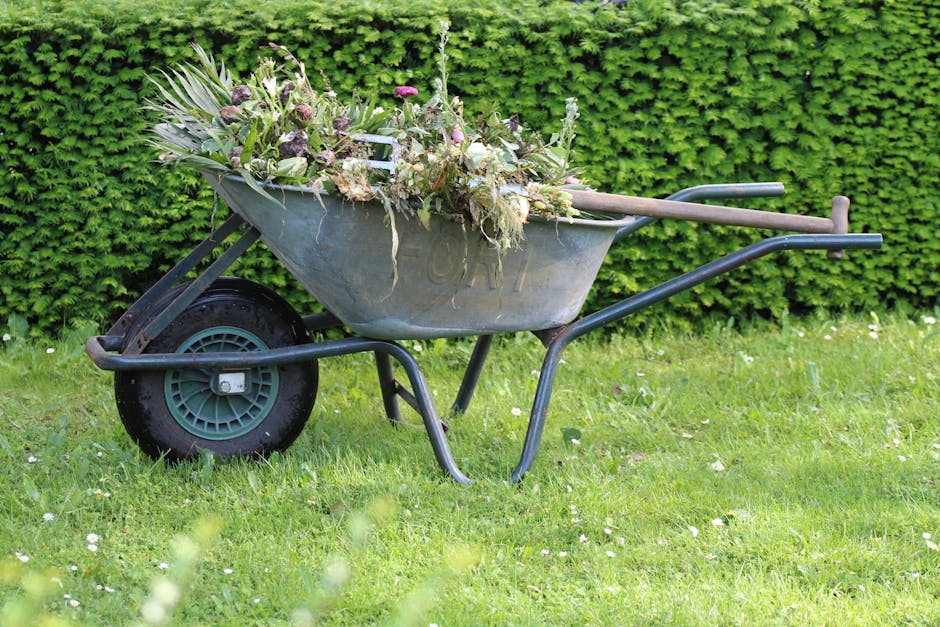
- Wheelbarrow or reusable garden bags for waste collection
- Broom or stiff brush for paths, decking, and hard surfaces
For more substantial clear-down work, it helps to have a waste plan before you begin. Otherwise you end up with five piles and nowhere to put them. A professional garden clearance service is useful when branches, cuttings, and general clutter have built up beyond a simple weekend job.
If you are comparing help options, it can also be useful to review pricing and quotes so you know how scope, garden size, and the level of clearance can affect the work. Not every garden needs the same level of intervention, and that should be reflected in the quote.
For households that want a more regular rhythm, scheduled garden maintenance is often the simplest way to keep recovery work from becoming a seasonal scramble.
Law, Compliance, Standards, or Best Practice
Most winter garden recovery work is straightforward domestic maintenance, but good practice still matters. If you are cutting trees, handling large branches, or using powered equipment, safety becomes more than a common-sense issue. Use the right PPE, keep people clear of cutting zones, and work cautiously around uneven ground or hidden trip hazards. That is especially true where wet grass and fallen debris make footing unpredictable.
For larger jobs, it is sensible to ask about insurance, training, and how waste is handled. A reputable contractor should be clear about safe working methods and what happens to green waste after collection. You can also check a company's general approach through pages like health and safety policy and insurance and safety, which are useful signs of a proper working process rather than a rushed one.
Environmental best practice matters too. Composting suitable green waste, recycling where possible, and avoiding unnecessary disposal are all sensible habits. If sustainability is important to you, it is worth looking at how the business approaches recycling and sustainability. In plain English: what is reused, what is recycled, and what is sent away.
Options, Methods, or Comparison Table
Different gardens need different levels of spring recovery. Here is a practical comparison of the main approaches.
| Method | Best for | Pros | Limitations |
|---|---|---|---|
| DIY tidy-up | Light leaf litter, small trims, simple edging | Low cost, quick, flexible | Can miss deeper issues like drainage or dead growth |
| Targeted repairs | Patchy lawns, specific hedges, one or two problem beds | Focused, efficient, good value | Still requires some planning and repeated follow-up |
| Full garden clearance | Heavy winter build-up, neglected corners, lots of debris | Fast reset, clearer structure, easier to maintain afterwards | More disruptive than light maintenance |
| Ongoing maintenance plan | Busy households, larger gardens, recurring seasonal issues | Prevents problem build-up, keeps standards consistent | Needs regular scheduling |
In many Ruislip gardens, the best choice is not one method only. It is usually a blend. For example, a bit of clearance, some lawn work, a hedge trim, then a return visit for follow-up care. That mixed approach is often more realistic than trying to "finish" the whole garden in one hit.
Case Study or Real-World Example
Here is a simple real-world style example, based on the kind of recovery job that comes up every spring.
A family in Ruislip came back from winter to find their rear garden had lost its shape. The lawn had a dull, mossy centre patch, leaves had packed into the border behind the shed, one hedge side had been flattened by wind, and the patio had gone slippery enough that everyone avoided it. Nothing dramatic on its own. Together, though, it made the whole space feel neglected.
The fix started with clearance: twigs, leaf mats, and dead plant material were removed first. The lawn was then treated as a separate problem rather than just being cut short. The edges were redefined, the hedge was trimmed carefully rather than hacked back, and the patio was swept and cleaned. The final stage was a small bit of reshaping around the border to improve drainage and airflow. No grand transformation, just sensible steps.
A few weeks later, the garden looked brighter, drier, and much more usable. More importantly, the family could keep it that way without it feeling like a huge project every weekend. That is the real win, honestly.
Practical Checklist
Use this checklist if you want a simple way to judge what needs attention after winter.
- Inspect lawn for moss, bare spots, and compaction
- Remove leaves, twigs, and dead plant material
- Check hedges and shrubs for frost or wind damage
- Look for standing water or poor drainage
- Sweep paths, patios, and decking for algae or debris
- Re-edge borders and tidy lawn lines
- Prune dead or broken stems carefully
- Decide whether the work is light tidy-up, clearance, or maintenance
- Plan follow-up mowing, feeding, or trimming
- Book help early if the job is bigger than expected
If more than three of those boxes are ticked, it is usually a sign the garden needs more than a quick once-over. Not a disaster. Just a cue to get organised.
Conclusion
After winter, gardens rarely need one dramatic fix. They need several small, sensible ones done in the right order. Clear the debris, check the lawn, trim with care, watch drainage, and restore structure where winter has blurred it. That is the heart of common problems after winter and Ruislip garden care fixes: practical recovery that makes the space healthier, safer, and much easier to enjoy through spring and beyond.
Whether your garden just needs a tidy-up or a more complete reset, early action usually saves time later. And if you've been staring out at the mess wondering where to start, that first step is often the hardest one. After that, it gets easier.
Get a free quote today and see how much you can save.
Sometimes a tired garden just needs a little careful attention to feel like itself again. That change can be surprisingly uplifting.
Frequently Asked Questions
What are the most common problems after winter in a garden?
The most common issues are mossy or patchy lawns, broken stems, dead leaves, compacted soil, drainage problems, and slippery paths or patios. In many gardens, it is a mix rather than just one issue.
When should I start spring garden care after winter?
Usually once the worst of the cold has passed and the soil is workable. A mild, dry day is ideal. If the ground is waterlogged or frozen, it is better to wait than damage the soil further.
How do I know if a plant is dead or just damaged by frost?
Look for buds, flexible stems, and signs of life lower down the plant. Some shrubs bounce back slowly. If in doubt, wait a little before cutting hard, because early pruning can remove healthy growth.
Is it better to mow the lawn straight after winter?
Only if the grass is dry enough and not too long or sodden. The first cut should be light. If the lawn is very rough or patchy, a more careful approach works better than a heavy cut.
Why does my garden get so waterlogged after winter?
Common causes include compacted soil, poor drainage, heavy shade, and low spots where water collects. Sometimes the issue is local to one corner. Sometimes it is a broader soil structure problem.
Should I clear all dead growth from borders in spring?
Not always. Some dead-looking stems still protect new growth beneath them. The best approach is selective clearing: remove what is clearly dead, damaged, or rotting, but check before stripping everything back.
Do I need professional help for winter garden recovery?
If the garden has heavy debris, large hedges, poor drainage, or tree damage, professional help can save time and reduce risk. For smaller tidy-up tasks, many homeowners can manage the work themselves.
What is the difference between garden clearance and garden maintenance?
Garden clearance is usually a bigger reset job, often involving the removal of waste, overgrowth, and clutter. Garden maintenance is ongoing care, such as mowing, trimming, and keeping borders tidy so problems do not build up.
Can winter damage affect decking and paved areas too?
Yes. Decking can become slippery, stained, or covered in debris, while paving may gather algae and moss. These areas often need cleaning as part of the wider spring recovery work.
How often should a garden be maintained after winter?
That depends on size and growth rate, but early spring usually benefits from a clear-up followed by regular checks every few weeks. Fast-growing gardens often need more frequent attention than compact ones.
What should I prioritise first if my garden looks overwhelmed?
Start with safety and access: remove obvious debris, clear slippery surfaces, and check for broken branches or unstable areas. Then move on to lawn, hedge, and border work in that order.
Can winter garden problems come back if I only do a one-off tidy?
They can. A one-off tidy helps, but without follow-up mowing, trimming, and drainage care, the same issues often return. A light maintenance plan usually gives better long-term results.