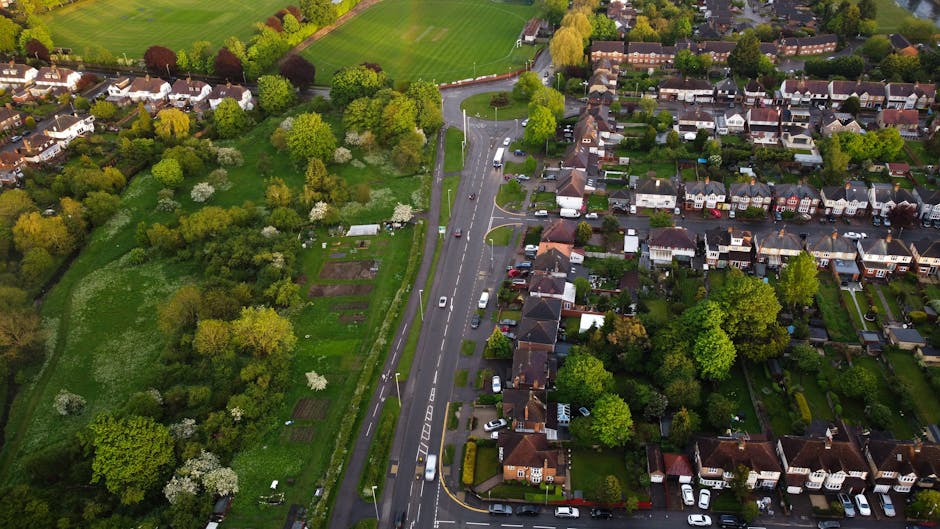
What to know about access problems for Ruislip gardeners

Access sounds like a small detail until a gardener turns up with tools, a mower, bags for waste, and a plan for the day, only to find the side gate is locked, the path is too narrow, or there's nowhere sensible to park. That is where What to know about access problems for Ruislip gardeners becomes more than a phrase. It is the practical side of getting a job done properly, without delays, damage, or awkward surprises.
In Ruislip, gardens can vary a lot. Some open straight onto a drive; others hide behind terraced homes, shared walkways, long side passages, or neatly packed family gardens where every inch matters. If you are arranging garden work, access can shape the cost, timing, equipment choice, and even which services are possible on the day. This guide breaks it down in plain English, with the sort of detail that helps before anyone arrives at the gate.
Why access problems matter
Access problems matter because they influence almost every part of a garden visit. A narrow route can stop a mower getting to the lawn. A steep step might make wheelbarrows impractical. A shared alley may need careful scheduling so bins, bikes, or neighbours are not blocked. Even something as simple as a hedge overhanging a path can turn a straightforward visit into a slow, fiddly one.
For Ruislip gardeners, the impact is often practical rather than dramatic. You may notice the work takes longer. You may need more hand-bagging and fewer machine runs. You may also need extra time for loading waste, protecting paving, or carrying tools in and out in stages. Not exactly glamorous, but it keeps the job tidy and safe.
There is also a customer-experience side to it. If access is unclear, the visit can start with confusion, then a rushed workaround, then a feeling that everyone is trying to make the best of a messy situation. Nobody enjoys that. Clear access planning keeps the day calmer, which is usually worth more than people expect.
Quick takeaway: access is not just about getting into the garden. It affects safety, speed, equipment choice, waste removal, and the overall quality of the finish.
How access problems affect garden work
Most access issues fall into a few predictable categories. Once you know them, the solution becomes easier to think through. Gardeners usually look at the route in, the route through, and the route out. Simple enough in theory. In practice, a gate that sticks, a low archway, or a slippery side path can change the whole plan.
1. Entry access
This is the first hurdle: can the gardener physically get into the property and then into the garden? That might sound obvious, but many delays start at the front door or side gate. If no one is home and keys are not arranged, work may stall before it starts. If a lock is stiff or a code is needed, small admin issues can eat into the day.
2. Internal movement
Once inside, the next question is how easily tools and waste can move around. A standard lawn mower may be too bulky for a tight passage. A hedge trimmer is easy enough to carry, but repeated trips with clippings are another matter. If the route crosses a patio, gravel area, or decking, the surface may need a bit of extra care too. Wet leaves on paving can be slippery, and nobody wants a dramatic slip for the sake of a garden tidy-up.
3. Working space
Some gardens have enough room to park tools, cuttings, and bags of waste without issue. Others feel like doing a puzzle with a rake in your hand. Limited working space can slow trimming, mowing, and clearance work because items need to be moved constantly. This is especially relevant for services like lawn mowing, hedge trimming, and garden clearance, where equipment and waste can quickly stack up.
4. Waste removal
Access matters just as much on the way out. If cuttings, branches, or bags of green waste have to be carried through a long or awkward route, the job takes longer and the final tidy-up can feel less efficient. Good planning can make a surprisingly big difference here, particularly for overgrown gardens or one-off seasonal clear-outs.
5. Neighbour and street factors
In some parts of Ruislip, street parking and shared access can be the real bottleneck. If a van cannot park nearby, or if the garden is only reachable through communal space, the team may need a different setup. Sometimes that means smaller tools. Sometimes it means more hand work. Sometimes it just means a bit of patience and a sensible start time.
For broader projects, access issues also affect design and construction work. If you are planning a bigger refresh, it may be worth looking at landscaping or landscape gardening as part of the same conversation, because layout changes can either solve access or make it worse. Truth be told, people often only spot that after the first quote.
Key benefits and practical advantages
Getting access right is not just about avoiding problems. It creates better results all round. The benefits tend to show up in quiet, practical ways rather than dramatic ones, which is probably why some people underestimate them.
- Faster visits: less time spent carrying equipment back and forth means more time spent actually doing the work.
- Cleaner finishes: clearer routes reduce the risk of mud, debris, or accidental damage across paths and lawns.
- Better safety: less lifting, fewer awkward turns, and safer movement around the site.
- More accurate pricing: when access is known in advance, estimates are usually more realistic.
- Less stress on the day: no one likes discovering a locked gate right when the mower is already unloaded.
- More suitable methods: the right access information helps match the job to the right tools and team size.
There is a hidden benefit too: better communication. When access is discussed clearly, the customer and gardener usually end up with the same expectations. That can save a lot of back-and-forth later. And yes, sometimes that is the biggest win of the day.
Who this is for and when it makes sense
Access planning is relevant to almost anyone booking garden work, but some people need it more than others. If your property has a narrow side passage, steps, a shared drive, rear access only, or a garden hidden behind the house, you are already in the category where access deserves attention.
It also makes sense if you are arranging recurring maintenance rather than a one-off visit. Regular work such as garden maintenance is much smoother when the gardener knows the route, the gate setup, and where tools can be left safely between tasks. That is especially helpful during the wetter months, when muddy routes become a lot less forgiving.
This topic is also for landlords, homeowners preparing a property for sale, older residents who need a less disruptive approach, and anyone returning to a garden after a long period of neglect. If the space is overgrown or cluttered, access is not a side issue. It is the issue.
You should also think about access before booking specialist work like tree lopping and removal or larger structural changes such as decking services, because those jobs often involve heavier materials, more equipment, and a tighter safety setup.
Step-by-step guidance
If you want to avoid access headaches, a simple process usually works best. No need to overcomplicate it.
- Walk the route from street to garden. Look at gates, locks, steps, slopes, width, lighting, and any obstacles like bins or stored items.
- Note anything that might affect equipment. A standard mower, for example, needs more space than a hand tool. A long driveway or narrow passage may change what can be brought in.
- Check whether someone needs to be present. If keys, codes, or supervised access are required, make sure that is agreed in advance.
- Think about waste removal. Ask yourself where cuttings, branches, and sacks will go before collection or disposal.
- Flag hazards early. Loose slabs, hidden holes, unstable fencing, or damaged steps should be mentioned before work begins.
- Discuss parking and unloading. If the road is busy or parking is tight, let the gardener know so they can plan their arrival properly.
- Confirm the order of work. In some gardens, it makes sense to clear a path first, then tackle mowing or trimming, then finish with waste removal.
A useful habit is to take a quick look at the garden from the gardener's point of view. Stand where they would stand. What do they see first? What would be annoying to carry? Where would they put a ladder, a hedge trimmer, or a bag of clippings without blocking the route? That little mental rehearsal often reveals the problem straight away.
If you are comparing different types of work or planning a broader refresh, the main service overview at services overview can help you think through how access affects the whole job, not just one task.
Expert tips for better results
Here is the simple truth: the best access solutions are usually the boring ones. Clear the route. Measure the tight bits. Tell the truth about the state of the garden. It sounds obvious, but these basics save more time than fancy planning ever will.
- Measure narrow points properly. Don't guess. A few centimetres can decide whether a mower fits or not.
- Keep the access route clear the night before. Move bins, toys, hoses, and bikes out of the way.
- Use good lighting if the visit is early or late. This matters more in winter when daylight disappears quickly.
- Share awkward details, even if they feel minor. A jammed gate latch is minor until someone is standing there with gloved hands and no spare minute.
- Plan for wet weather. Paths that are fine in summer can become slippery by November. British weather, doing its thing as always.
- Ask for the method that suits the site. A smaller machine, more hand clearance, or a staged visit may be better than forcing a standard setup.
One more thing: if access is poor because the garden itself has become overgrown, a first-pass tidy-up can make all future visits easier. That is where a focused clearance can be worth more than repeated patchwork fixes. It is not magic. It is just sensible sequencing.
Common mistakes to avoid
A lot of access problems are avoidable, which is frustrating in a way. But also useful, because once you know the common mistakes, you can dodge them without much effort.
Assuming the route is obvious
What looks obvious to the homeowner is not always obvious to someone arriving for the first time. Shared entrances, side passages, and hidden rear gates often need a quick explanation.
Leaving the garden cluttered
Tools, children's toys, plant pots, compost bags, and garden furniture can all get in the way. If the route needs to be used repeatedly, even small clutter becomes a nuisance fast.
Not mentioning surface condition
Loose gravel, damaged paving, mossy steps, or soft ground can change the safe route. If nobody mentions it, the gardener may only discover it while carrying something awkward. Not ideal.
Ignoring waste volume
Cut grass looks harmless until it starts filling bags. Hedge trimmings and branches create a lot more bulk than people expect. Planning for disposal early avoids a cramped, messy finish.
Forgetting about neighbours or shared users
If the route passes through a communal area, keep in mind that other people may need access too. That can affect timing, noise, and loading. It is a small courtesy, but it matters.
Booking the wrong type of service for the site
Some gardens need more than mowing. Others need a one-off reset before routine work can begin. Choosing between routine maintenance, clearance, or larger-scale redesign is easier when access is part of the discussion from day one.
Tools, resources and recommendations
You do not need specialist kit to understand access problems, but a few simple tools make the job easier.
- Measuring tape: useful for gate width, passage width, and step heights.
- Phone camera: a few clear photos of the route can be surprisingly helpful when explaining a tricky layout.
- Notebook or message list: keep a record of key access details so they are not forgotten when the job is booked.
- Basic torch or outdoor light: handy for darker corners, especially in winter afternoons.
- Gloves and non-slip footwear: sensible for anyone helping clear access before the visit.
For service planning and general trust signals, it also helps to look at operational pages such as pricing and quotes, insurance and safety, and health and safety policy. Those pages can give you a better sense of how a professional operation thinks about risk, pricing, and safe working practices.
If you care about the wider impact of the work, recycling and sustainability is worth a look too. Access issues often affect how waste is collected, sorted, and removed, so sustainability can be practical, not just a nice idea.
Law, compliance and best practice
There is no single rulebook for every garden access issue, but sensible UK practice is usually guided by safety, property access, and duty of care. In plain language, the person doing the work should avoid unnecessary risk, and the property owner or occupier should share relevant information that could affect safe access.
Where access is shared, such as a communal alley or side passage, it is best to be respectful of other users and avoid blocking routes for longer than needed. If ladders, cutting tools, or waste bags are involved, safe handling becomes even more important. That is especially true for work around trees, tall hedges, slippery paving, or awkward steps.
Professional gardeners and landscape teams normally try to use the most appropriate method for the site rather than forcing a one-size-fits-all approach. That might mean hand tools instead of machinery, smaller loads instead of one heavy run, or separating cutting and clearing into stages. A bit less glamorous, maybe. But safer.
It is also wise to check the provider's terms before booking, particularly if access is restricted, because delays, missed entry, or incomplete site information can affect how the job is scheduled. The same applies to payment handling and service expectations, which are usually explained in pages like payment and security and terms and conditions.
Options, methods, or comparison table
Not every access problem needs the same fix. Sometimes a small adjustment is enough. Other times the job needs a different method altogether.
| Approach | Best for | Pros | Trade-offs |
|---|---|---|---|
| Standard access with full equipment | Wide gates, easy parking, clear routes | Fast, efficient, straightforward | Least flexible if the layout is tight |
| Smaller tools and hand work | Narrow passages, shared entrances, awkward corners | Fits more gardens, gentler on surfaces | Can take longer and cost more in labour time |
| Staged visits | Large clearances, overgrown gardens, multi-part jobs | More controlled, easier to manage safely | Needs more coordination and perhaps multiple appointments |
| Access-first clearance | Gardens blocked by waste, clutter, or overgrowth | Creates a workable space quickly | May not address the whole garden in one go |
In practice, the best option depends on the site. A neat front garden and a hidden, cramped rear section are two very different stories. The job title might be the same, but the access plan rarely is.
Case study or real-world example
A fairly typical situation goes like this. A homeowner in Ruislip books routine garden work after letting the lawn and hedge get a bit behind. The front of the house looks fine, but the only route to the rear garden is a narrow side passage with a slightly sticky gate, a wheelie bin, and a patch of uneven paving near the end. Nothing dramatic. Just enough to slow everything down.
On arrival, the gardener can see straight away that a large machine would be awkward to move through the passage. Rather than forcing it, the work is split into stages: the route is cleared first, the hedge is trimmed with hand tools, the lawn is tackled with a smaller mower, and cuttings are bagged in smaller loads. It takes a little longer than a perfect-access job, but the finish is tidy and the surfaces are left intact.
The interesting part is this: once the access route is cleared and the gate repaired, the next visit becomes much easier. The customer saves time, the gardener works more efficiently, and the whole space feels less like a challenge. Sometimes one sensible adjustment changes the rhythm of the whole garden.
That is the real value of dealing with access early. Not perfection. Just less friction.
Practical checklist
Use this checklist before a garden visit or quote request. It keeps the basics covered and avoids those "we should have mentioned that" moments.
- Measure the width of any gate, side passage, or rear path.
- Check whether keys, codes, or someone present on arrival will be needed.
- Clear bins, toys, hoses, pots, and furniture from the route.
- Look for low branches, overgrown hedges, or tight corners.
- Note any steps, slopes, damaged paving, or slippery surfaces.
- Estimate how much waste might need removing.
- Think about parking space for a van or unloading point.
- Decide whether the job needs standard maintenance or a more substantial reset.
- Share any shared-access issues with neighbours or communal areas.
- Confirm whether access changes during the day, for example school-run times or bin collection days.
Short version: if it is awkward for you, it is probably worth mentioning. If it is awkward for a mower, it is definitely worth mentioning.
Get a free quote today and see how much you can save.
Conclusion
Access problems for Ruislip gardens are usually manageable, but only if they are noticed early. A narrow path, a locked gate, a shared alley, or a bit of overgrowth can all change how a job is planned. That does not mean the work cannot be done. It just means the smartest result comes from honest information, good preparation, and a method that suits the site rather than fighting it.
Whether you need routine upkeep, a seasonal tidy, or a more involved clear-out, the easiest wins often come from simple access improvements. Clear the route, share the details, and choose the right approach. That alone can turn a stressful visit into a smooth one.
And once the garden is easier to reach, everything else tends to feel a little lighter too. That is the nice part, really.
Frequently Asked Questions
What counts as an access problem for a gardener?
Anything that makes it harder to reach, work in, or leave the garden safely can count as an access problem. Common examples include narrow gates, locked side entries, shared paths, steep steps, cluttered routes, or a lack of nearby parking.
Do I need to measure my gate before booking garden work?
Yes, if the access looks tight or unusual. A quick measurement helps the gardener know whether standard equipment will fit or whether a smaller, hand-tool-based approach is better.
Can a gardener still work if there is only rear access?
Usually yes, but it depends on the route and what needs to be carried through it. Rear access can work well if the passage is clear enough and waste can be removed safely.
Will access problems make the job more expensive?
Sometimes they can, especially if the work takes longer or needs more manual handling. That said, the effect varies from site to site, so it is better to discuss the layout honestly rather than assume.
What should I clear before the gardener arrives?
Move bins, toys, hoses, furniture, and anything else blocking the route. If the garden is cluttered, even a small amount of clearing can save a lot of time.
What if the gate is locked and I'm not home?
Arrange access in advance. That could mean leaving a key, giving a code, or making sure someone is present. It sounds basic, but it is one of the most common reasons a visit gets delayed.
Can access issues affect lawn mowing specifically?
Yes. Mowers need room to move in and out, and the route matters just as much as the lawn itself. If access is tight, a different mower or a more manual method may be needed.
How do access problems affect garden clearance?
Garden clearance often creates more waste and bulk than regular maintenance. If the route out is awkward, the team may need smaller loads, more trips, or a staged approach.
Is it better to fix access problems before landscaping work?
In many cases, yes. If you are changing the layout anyway, it can make sense to improve access at the same time. That way, future maintenance is easier too.
What information should I share when asking for a quote?
Share the gate width, route type, parking situation, any steps or slopes, and whether the garden is cluttered or overgrown. The more accurate the picture, the more realistic the quote is likely to be.
Are access issues a safety concern?
They can be. Slippery paths, awkward lifting, poor lighting, and tight turning spaces all increase the chance of accidents or damage. That is why access should be treated as a safety question, not just a convenience issue.
Where can I learn more about a provider's standards and policies?
Look for pages that explain safety, insurance, payment, and complaints handling. On this site, the most relevant starting points are insurance and safety, health and safety policy, and complaints procedure.
What if my garden is too awkward for a standard visit?
That does happen. The usual answer is not "no", but "let's adapt the method." A smaller tool set, more hand work, or a clearance-first visit may be the better fit. And honestly, that is often the wiser route anyway.